
Finding Ed: Inside the Mission Fed "Let's Get You There" Campaign
5/26/26
Read Article
↓
↓
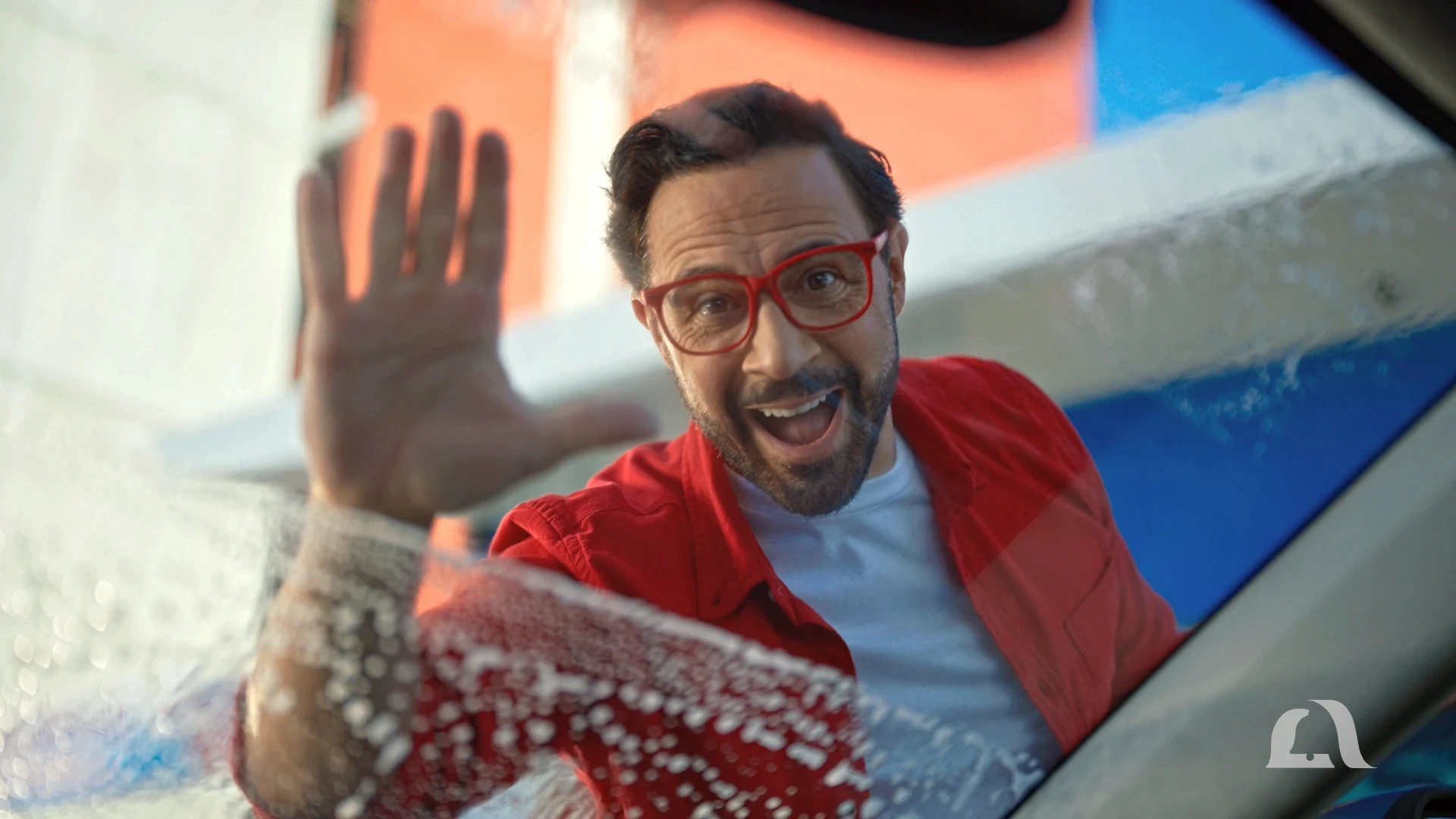
Behind the Scenes
Some characters need to feel inevitable. By the time you meet them, it should be impossible to imagine the brand without them.
That was the brief for "Ed from Mission Fed" — the spokesperson at the center of Mission Fed Credit Union's "Let's Get You There" broadcast campaign, produced in partnership with creative agency Austin Williams. Five spots. Cinematic broadcast quality. A face Mission Fed knew would carry the brand for years to come.
The whole campaign would live or die on one decision: who played Ed.
The Brief, the Vision, and the Search
Mission Fed and Austin Williams came to us with a clear creative philosophy and a sharp picture of who Ed was. He wasn't a generic actor reading lines. He had a temperament, a posture, an idea behind every smile. The creative direction was specific in a way you don't always see — Ed was patient. He was the friend who answered the question you were too embarrassed to ask anywhere else. He was the person who actually listened. The character was a real personality on the page.
That kind of clarity is rare, and it's a gift. It also raises the stakes. Casting a "Type A executive" is one thing — casting a person with a soul and a specific way of being in the room is something else entirely. So we built a search wide enough to find him.
We opened the search across the entire region. Hundreds of submissions came in. Self-tapes. Live auditions. Headshots and demo reels stacked up. The team triaged daily — Pure Cinema's directors, Austin Williams' creative leads, Mission Fed's marketing team — all weighing every read against the brief.
Some performers were close on the page but off in the room. Others had presence but missed the specific quietness the spot called for. We watched dozens of self-tapes a night. We brought finalists back for chemistry reads with non-actors playing customers, because Ed's whole job in the spots is reacting to other people — the read had to live in the listening, not just the lines.
Hours of deliberation. Long sessions with Austin Williams and the Mission Fed team. Side-by-side comparisons. Conversations about what felt right and why. Ed had to feel like someone you actually knew — the person you'd actually trust with the question you didn't know how to ask.
What Made the Partnership Work
The casting search worked because of how the three teams collaborated, not in spite of it. Brand campaigns at this scope can become political. Three sets of stakeholders, three slightly different visions, and a hundred small creative decisions every week. The way we worked with Austin Williams and Mission Fed kept that from happening.
A few principles held it together. We were clear about who owned what — Austin Williams owned the creative concept and brand voice, Mission Fed owned brand strategy and final approval, and we owned production and craft. When we disagreed, we disagreed about specifics, not about turf. Everyone trusted everyone else's craft. The Mission Fed team showed up curious and prepared every step of the way. Austin Williams brought specific, actionable feedback rather than generic notes. And we brought the kind of in-house production capability that meant we could turn an idea around in a day instead of a week.
That last part matters for any agency producer reading this: when you're working with a brand at this level, the rhythm of the partnership is everything. The agency-brand-production triangle works best when each leg can pull its weight independently — and when the production studio is fast enough that the agency can iterate creatively without burning timeline.
Producing the Spots
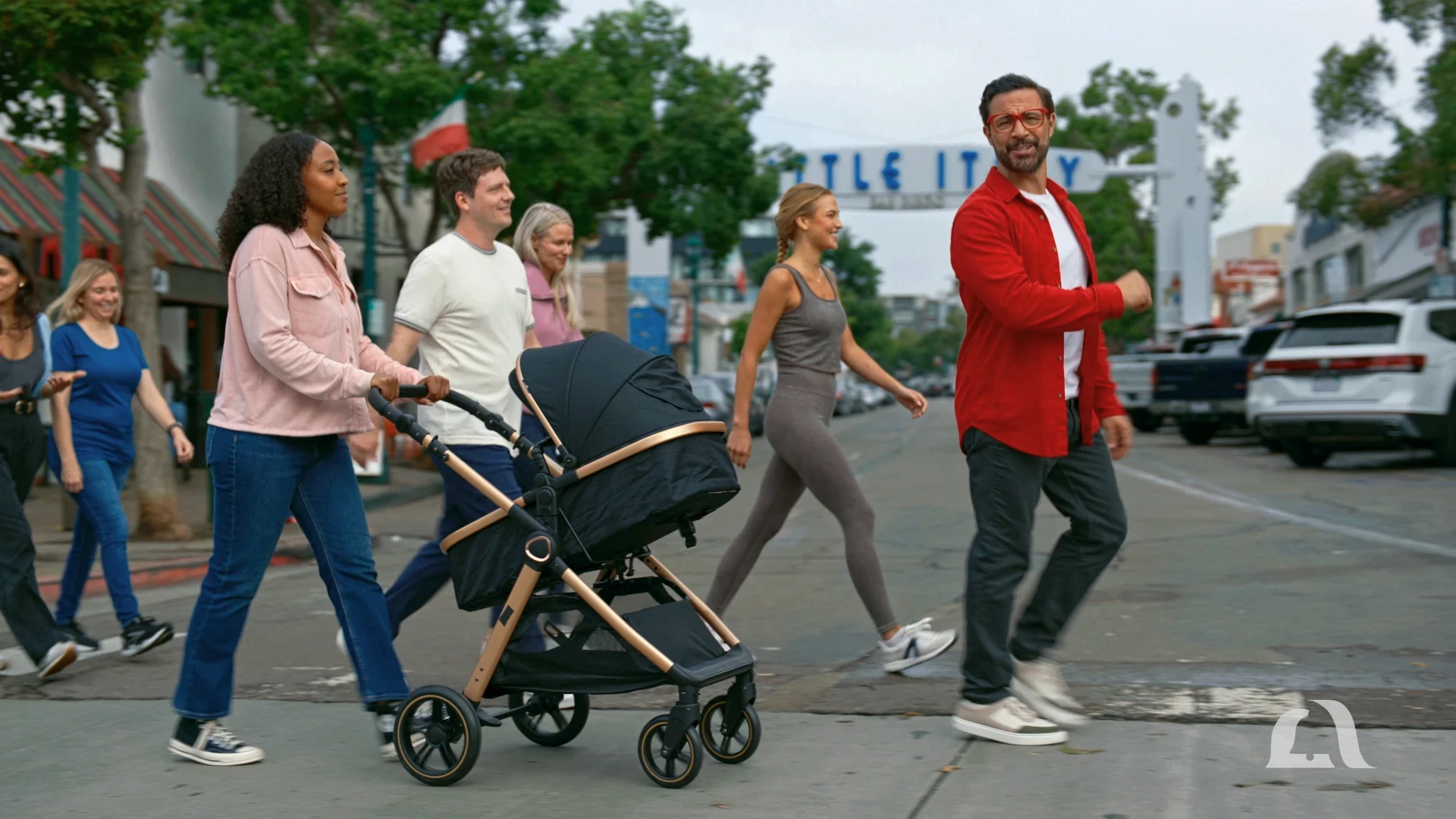
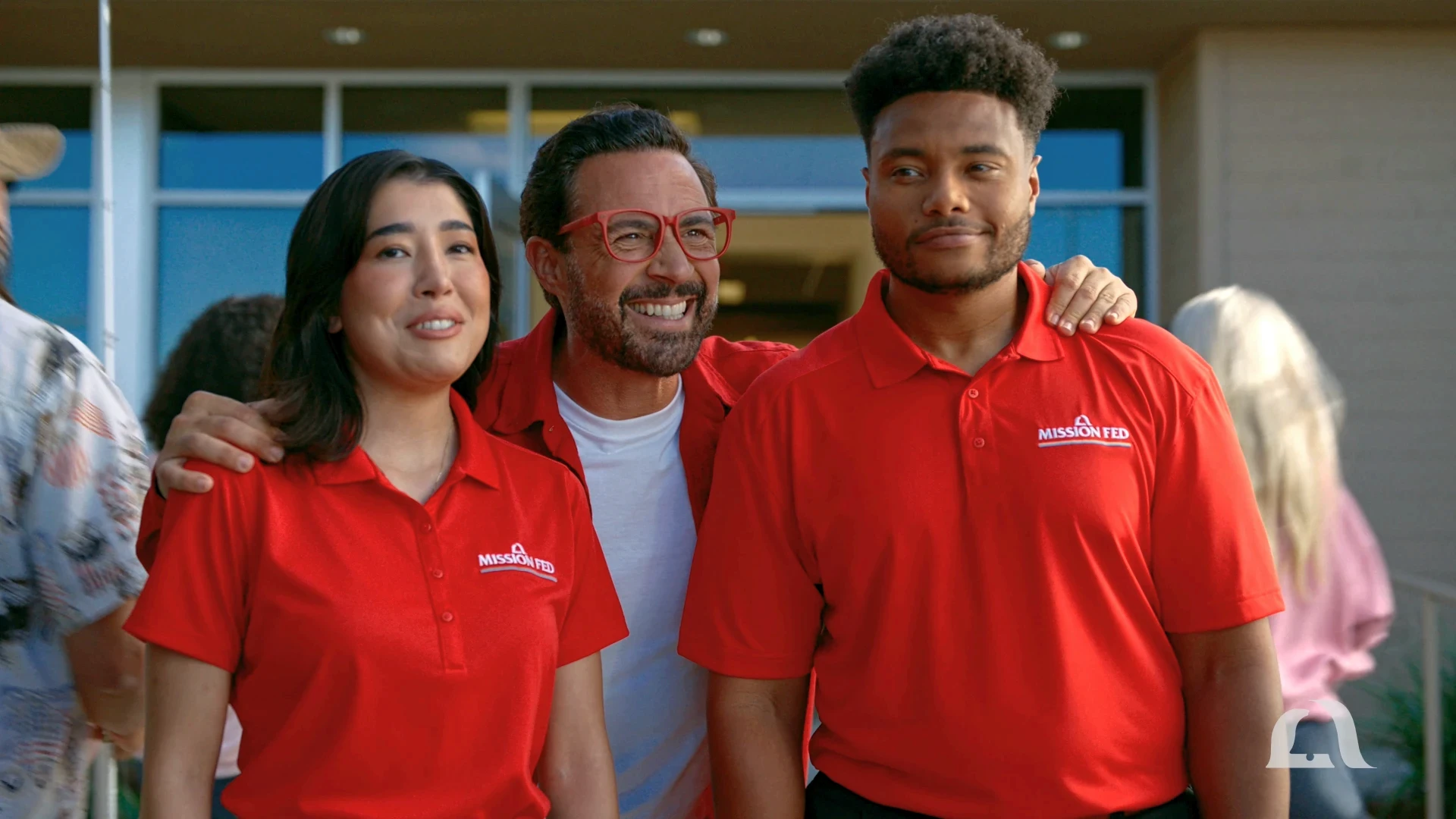
Once we had Ed, we built the five spots around him. Each one introduces Ed in a different context — answering a question, walking a customer through a process, being the unassuming expert in the room. The throughline is his presence. The spots aren't about Ed explaining Mission Fed. They're about Ed being Mission Fed.
Production was multi-day, multi-location, with cinematic-grade lighting and crew. We handled the full production in-house — directors Luke McCain and Ryan Knight, with cinematographer Jamie Allender, editor Kyle Bronson, and colorist Ryan Berger building out the post pipeline. Executive Producer Chris Clark held the producer seat across pre-production, production, and delivery. Same Pure Cinema team end to end, which keeps the creative thread intact in a way that fragmented production never does.
That continuity matters. The directors who cast Ed are the same directors who blocked his scenes, and the same team that color-graded the final cut. There's no handoff loss. The character that read so specifically in casting is the same character on screen in the final spot.
What This Kind of Work Requires
Brand campaigns at this level aren't really commercial production — they're brand-voice production. Every choice has compounding consequences. The actor cast today is the actor on billboards next year. The line read today is the line everyone associates with the brand by the time the campaign matures. The decisions are slow because they have to be — and the production team has to be patient enough to support that slowness without losing momentum.
What we learned, or really re-learned, on Mission Fed: the best agency-brand partnerships don't happen when a production studio sells craft. They happen when the studio sells judgment. Austin Williams and Mission Fed didn't hire us to execute. They hired us to weigh in — to push back when we thought a casting choice was off, to advocate for a creative direction we believed in, and to deliver the kind of work that gets quoted in pitch meetings six months later.
Where to Start
If you're an agency producer or brand marketer thinking about a multi-spot broadcast campaign — a brand face, a long-arc creative, the kind of work where one decision compounds into years of brand equity — we'd love to talk. The Mission Fed campaign is the kind of project that taught us how to do this well, and we keep getting better.
SHARE ARTICLE